Tractor Lighting Law in New Zealand: Every Light a Tractor Needs on the Road
In this guide
- Which regulations apply to tractor lights
- Why speed and use matter in New Zealand
- Every light your tractor needs, lamp by lamp
- Amber beacons on tractors
- Hours of darkness and daytime use
- Trailers and implements
- Overhanging implements and projecting loads
- Work lights and other optional lamps
- What NZTA and the Police check
- Frequently asked questions
Tractor lighting law in New Zealand is the Land Transport Rule: Vehicle Lighting 2004, together with related Land Transport Rules, administered by NZ Transport Agency Waka Kotahi (NZTA). Tractors and other agricultural vehicles have their own treatment under these rules. A tractor used on a public road at night needs a working set of lamps, typically headlamps, front position lamps, rear lamps, stop lamps, direction indicators, rear reflectors and number plate lighting, and amber warning lamps are required in various situations such as oversize or slow-moving operation.
The exact list for your machine depends on things like its width, its speed, when it is used on the road and what it is towing, so treat this guide as an overview and check NZTA Waka Kotahi’s agricultural vehicle guidance for the exact requirement for your machine. This guide works through each lamp, then covers beacons, hours of darkness, trailers, overhanging implements and what gets checked. For what each type of lamp does and where it is fitted, see the complete guide to tractor lighting. This page is about the law.
Which regulations apply to tractor lights
The Land Transport Rule: Vehicle Lighting 2004 is the principal lighting rule in New Zealand. It has been amended many times. It sets which lamps are required, their colours, how they are fitted and how they may be used, including the ban on lamps that dazzle or confuse other road users, and it contains specific provisions for agricultural vehicles and warning lamps.
Other rules sit alongside it. The Land Transport Rule: Vehicle Dimensions and Mass sets width and overhang limits for agricultural vehicles, and the Land Transport (Road User) Rule covers how vehicles are driven, including when lamps must be used. NZTA brings the agricultural parts together in its guidance for agricultural vehicles, which is the best single place to start.
Lamps themselves should meet a recognised standard. New Zealand accepts UN ECE (E-mark) approvals, and some other standards such as SAE and the Australian Design Rules, so an E-marked lamp from a European tractor maker or supplier is generally acceptable. Inspection standards for the Warrant of Fitness (WoF) and Certificate of Fitness (CoF) are set out in NZTA’s Vehicle Inspection Requirements Manual.
Why speed and use matter in New Zealand
UK guides spend a lot of time on design speed bands that decide which lamps a tractor needs. New Zealand does not copy those bands, but speed and use still matter. The agricultural vehicle rules treat slower machines differently from faster ones, and how and when a tractor uses the road affects its lighting, warning lamp and inspection requirements.
Speed matters for other things too. A tractor used on the road at higher speeds, or for non-agricultural work, may need a WoF or CoF and may lose some of the concessions given to agricultural vehicles. Check the design speed on the manufacturer’s plate or in the handbook rather than guessing, and check NZTA’s guidance for how it affects your machine.
Some older and daylight-only machines are treated differently. A tractor that is only ever used on the road in daylight may not need every lamp that a night-time machine needs, but if lamps are fitted they should work, and the safest course is to keep the full set fitted and working. Check NZTA’s guidance if you run an older or vintage tractor.
Every light your tractor needs, lamp by lamp
The table below summarises the lamps typically needed for a tractor or self-propelled machine used on a public road in New Zealand during the hours of darkness. Confirm the details for your machine with NZTA’s guidance.
| Lamp or device | Required on a tractor? | Colour | Key notes |
|---|---|---|---|
| Side lamps (front position lamps) | Yes, for night use | White | Show the tractor’s width from the front |
| Headlamps (dipped and main beam) | Yes, for night use | White | Must not dazzle; dip for oncoming traffic |
| Direction indicators | Generally yes | Amber | Front and rear on each side |
| Hazard warning lamps | Expected where indicators are fitted | Amber | Flash all indicators, including the trailer’s |
| Rear lamps (tail lights) | Yes, for night use | Red | One each side at the rear |
| Stop lamps | Generally yes | Red | Repeat on a trailer or lighting board if hidden |
| Rear fog lamp | If fitted, must work | Red | Use only in fog or poor visibility |
| Rear reflectors | Yes | Red | Keep clean and unbroken |
| Number plate lighting | Yes, for night use | White | Lights the rear registration plate |
| Reversing lamps | Optional | White | Lit only when reversing |
| Side marker lamps | On long or wide combinations | Amber | Check NZTA guidance for your combination |
| Amber beacon | In various situations, such as oversize or slow-moving operation | Amber | Roof-mounted, visible all round |
| Work or ploughing lamps | Optional | White (normally) | Off before using the public road |
Side lamps
Side lamps are the white front position lamps that show the tractor’s width to oncoming traffic. Wide front axles and dual wheels can push the edge of the tractor well beyond the factory lamps, which is why many tractors carry position lamps on the mudguards or on extension brackets so drivers coming the other way on a narrow rural road can judge the width.
Headlamps
Headlamps are needed on a tractor used on the road at night. High cab-roof and bonnet headlamps are normal on modern tractors and are fine as long as they do not dazzle. The lighting rule says lamps must not dazzle or confuse other road users, so main beam must be dipped for oncoming traffic and when following another vehicle. Our tractor headlights range covers direct replacements and E-marked LED units.
Direction indicators and hazard warning lamps
Tractors generally need amber direction indicators front and rear on both sides. On tractors indicators are often mounted on the cab pillars so they can be seen over implements. When towing, the trailer’s indicators must work in step with the tractor’s, and the hazard switch should flash every indicator on the combination.
Rear lamps, stop lamps and rear reflectors
Tractors need red rear lamps and red rear reflectors, and stop lamps are fitted to virtually every modern tractor. Keep every one working, whatever the tractor’s speed. Faulty brake lights are among the most common defects found on farm combinations, so they are worth checking every time you hitch up.
Rear fog lamp
A rear fog lamp is not on the basic list for most tractors, but most modern tractors have one. If it is fitted it must work, and it must be red. Use it only in fog or other conditions where visibility is seriously reduced, and turn it off at all other times so it does not dazzle drivers behind.
Number plate lighting
Tractors registered for road use display a registration plate, and the rear plate should be lit when the tractor is on the road at night. Our number plate lights include LED units for tractors and trailers.
Reversing lamps and side markers
Reversing lamps are optional. They must show white light and they may only be lit while reversing. Rear work lamps are not reversing lamps, even when they are used for the same job.
Side marker lamps are needed on longer and wider combinations, so a long trailer or a wide implement may need amber markers along its sides. Check NZTA’s guidance if you need the exact position and the length or width at which they apply.
Amber beacons on tractors
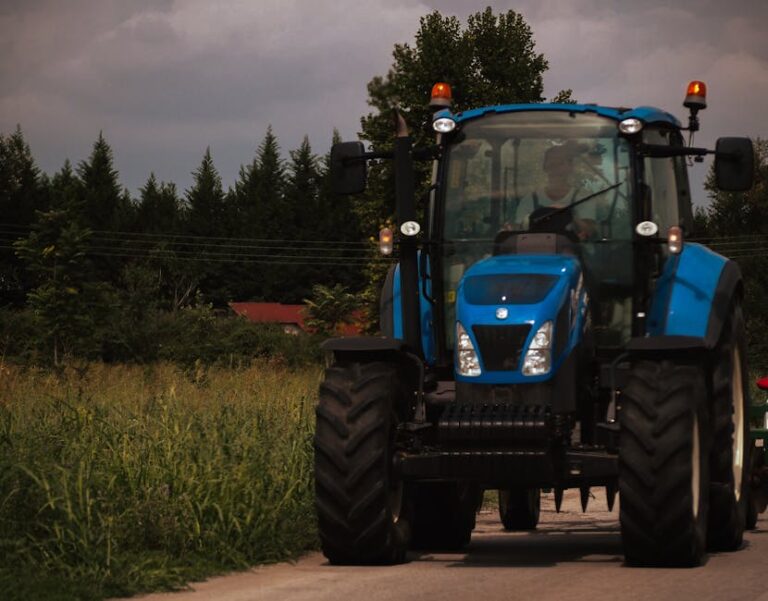
New Zealand does not require a beacon on every tractor in every situation, but amber warning lamps are required on agricultural vehicles in various situations, such as when the vehicle is oversize or is operating slowly on the road. Many farmers and contractors simply run a beacon on every road trip, which is good practice on fast rural roads.
Where possible the beacon goes on the roof on the tractor’s centre line, high enough to be seen from all round. If a trailer or implement blocks the view of the beacon from behind, a second beacon on the trailer is sensible. Use a lamp built to a recognised standard such as ECE R65.
Wide machines may need more than a beacon, such as hazard panels, pilot vehicles or limits on when they can travel. The full detail is in when amber beacons are legally required, and you can browse our amber tractor beacons.
Hours of darkness and daytime use
New Zealand rules use the term hours of darkness, which means from half an hour after sunset to half an hour before sunrise. Headlamps, position lamps, rear lamps and number plate lighting must be lit during the hours of darkness, and also at other times when visibility is poor.
In New Zealand the dark evenings are in winter, from June to August, when field work and road travel run into the dark well before the end of the working day. Clocks go forward in late September and back in early April, and the change in early April is when many farmers first find themselves on the road after dark.
Even in daylight, keep the full lighting system working. Stop lamps and indicators are used at all times, a beacon may be required by day for an oversize or slow-moving machine, and dipped headlights help other road users see a tractor in poor light or rain.
Trailers and implements
Agricultural trailers and towed equipment used on the road at night need rear lamps, stop lamps, direction indicators, rear reflectors and number plate lighting where a plate is fitted. That applies to silage trailers, grain trailers, dump trailers and towed equipment such as effluent tankers and spreaders.
Long and heavy combinations may also need reflective markings and side markers. Check NZTA’s guidance for the thresholds that apply to your combination. The lamp-by-lamp rules are in our guide to agricultural trailer lighting requirements.
Towed and mounted equipment without its own lights, such as balers, sprayers and rakes, needs lights or a lighting board if it hides the tractor’s front or rear lamps or reflectors. This is why a front-mounted mower, a large rear spreader or a bale handler often needs a lighting board.
Overhanging implements and projecting loads
Loads and implements that project well beyond the front, rear or sides of a tractor need to be marked so other road users can see them, typically with flags or panels by day and lamps or reflectors at night. The Vehicle Dimensions and Mass rule and NZTA’s agricultural guidance set the overhang limits and how projections must be marked.
Mark projecting implements clearly and follow the manufacturer’s and NZTA guidance. Front loaders, forks and other front-mounted attachments should be lowered and faced down on public roads, because raised forks are a dangerous projection.
Width is the other big factor. Agricultural vehicles wider than the standard 2.55 m limit are treated as oversize, and as width increases they need warning lamps, hazard panels and in some cases pilot vehicles or travel restrictions. Check NZTA Waka Kotahi’s agricultural vehicle guidance for the exact width bands and requirements for your machine.
Work lights and other optional lamps
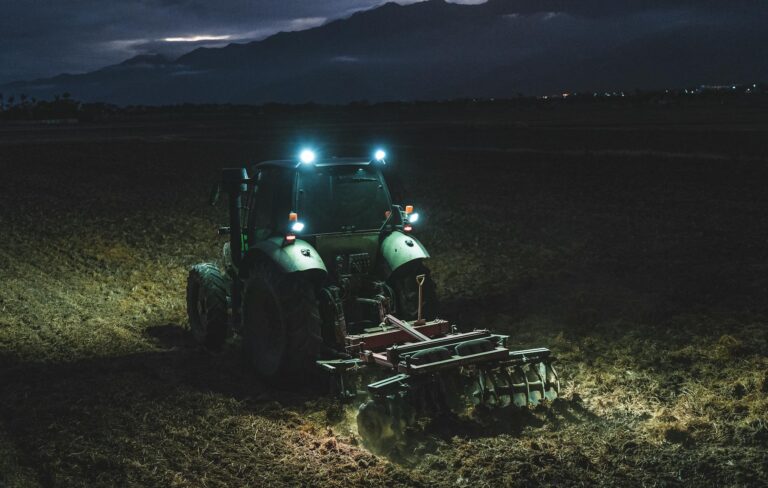
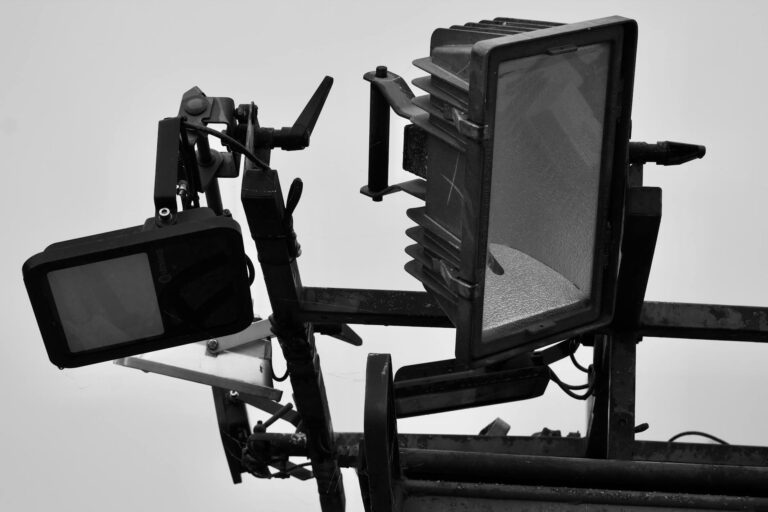
Work lights are legal to fit to a tractor, but they are for work off the road and should be switched off before using the public road. White lights showing to the rear (other than reversing lamps) are a particular problem on the road, because they can dazzle following drivers and look like an approaching vehicle.
Any optional lamp must still follow the colour rules. Generally only white or amber light shows to the front and only red to the rear, with exceptions for indicators, number plate lamps and reversing lamps. Front fog lamps should only be used in fog or poor visibility, and reversing lamps only while reversing.
What NZTA and the Police check
Many tractors used for farm work at lower speeds do not need a WoF or CoF, but they must be kept safe and roadworthy at all times. Faster tractors, and tractors used for non-agricultural work such as contracting on public works, may need a WoF or CoF. Check NZTA’s guidance for your machine and how you use it.
Lighting on the road is enforced by NZ Police, including the Commercial Vehicle Safety Team, and checked at any WoF or CoF inspection. A roadside check usually looks at 6 things:
- Side lamps, number plate lighting and headlamps all working and clean.
- Indicators and stop lamps working on both the tractor and the trailer, flashing in phase.
- An amber beacon fitted and switched on where the machine needs one.
- Rear reflectors and any reflective markings present and clean.
- No work lights on while driving and no rear fog lamp on in clear weather.
- Projections marked and front loaders lowered.
Lighting faults can lead to an infringement notice, and a vehicle in a dangerous condition can be ordered off the road. See lighting offences for agricultural vehicles for the enforcement detail.
Frequently asked questions
Does a tractor need lights to drive on the road in the day?
Headlamps, rear lamps and number plate lighting must be lit during the hours of darkness and when visibility is poor. In daylight a tractor still needs working stop lamps, indicators and reflectors, and an amber beacon if it is oversize or operating in a way that requires one. Keep the full system working whenever the tractor uses the road.
Does a 40 km/h tractor need stop lamps?
Almost every modern tractor has stop lamps fitted, and if they are fitted they must work. Check NZTA’s agricultural vehicle guidance for the exact requirement for an older or slower machine.
Is a beacon a legal requirement on a tractor?
In various situations, yes. Amber warning lamps are required on agricultural vehicles that are oversize or operating slowly on the road, among other cases. It should be roof-mounted on the centre line where possible, visible from all round. Many farmers run one on every road trip as good practice.
Can I use work lights on the road?
No. Work lamps are for use off the road and must be switched off before using the public road, because they can dazzle other drivers. White rear-facing work lights in particular can look like an oncoming vehicle and dazzle drivers behind. Switch them off at the farm gate.
Who enforces tractor lighting law if tractors don’t have a WoF?
NZ Police enforce it at the roadside. Many tractors do not have a periodic inspection, so the owner and driver are responsible for checking the lights before each road journey. Tractors that do need a WoF or CoF have their lighting checked at inspection.